Friday, May 14, 2010

Images of an oil spill

Three weeks ago, on April 20, the offshore oil rig Deepwater Horizon exploded and sunk in the gulf of Mexico. This event marked the start of a massive and ongoing oil spill. Since then, many attempts have been made to stem the flow, but with little
success. An estimated 5,000 barrels of oil continues to spill into the gulf every single day.

(images have suffered from blog auto-format. Please click for full view - it's worth it.)
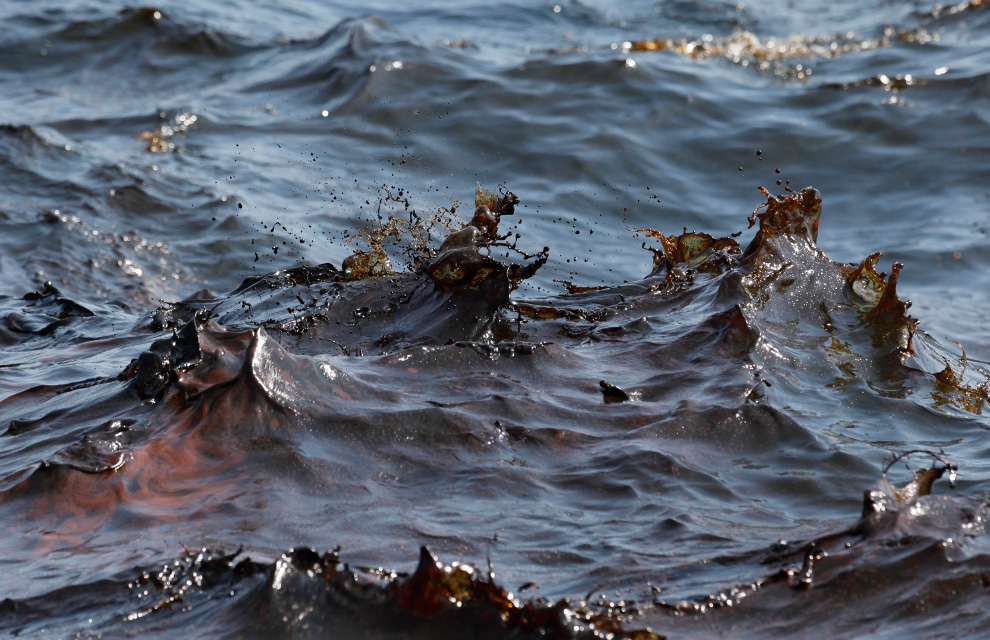

Seawater covered with thick black oil splashes up in brown-stained whitecaps off the side of the supply vessel Joe Griffin at the site of the Deepwater Horizon oil spill containment efforts in the Gulf of Mexico off the coast of Louisiana Sunday, May 9, 2010. (AP Photo/Gerald Herbert)
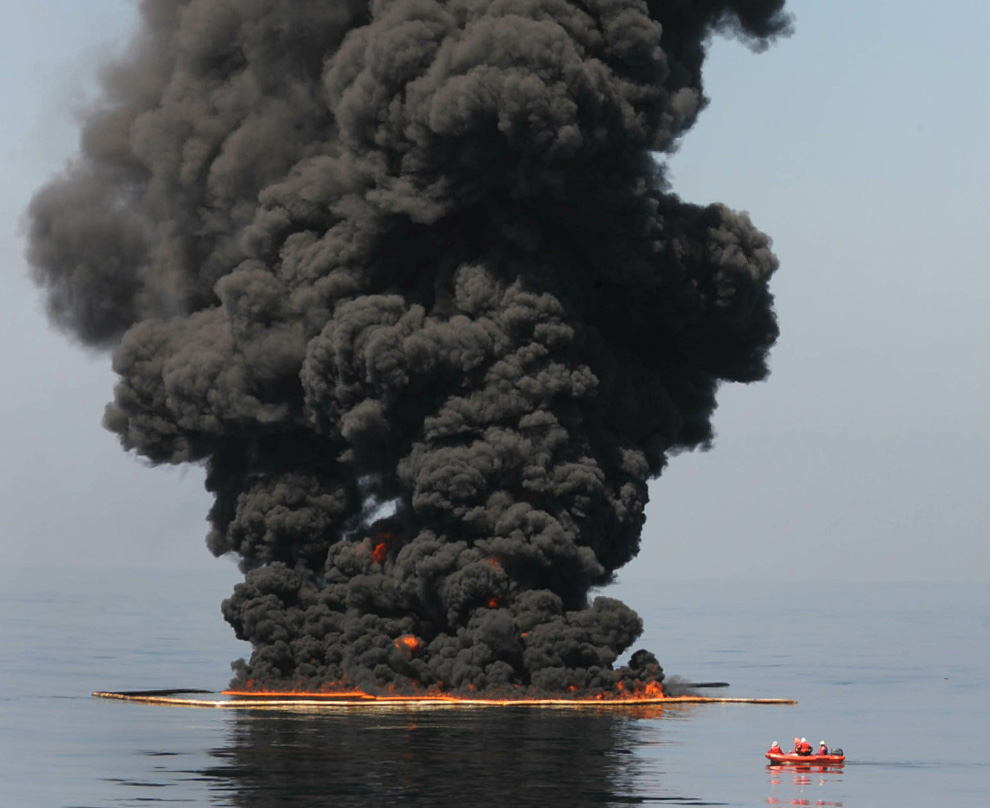

Oil burns during a controlled fire May 6, 2010 in the Gulf of Mexico. The U.S. Coast Guard is overseeing oil burns after the sinking, and subsequent massive oil leak, from the sinking of the Deepwater Horizon oil platform off the coast of Louisiana. (Justin E. Stumberg/U.S. Navy via Getty Images)
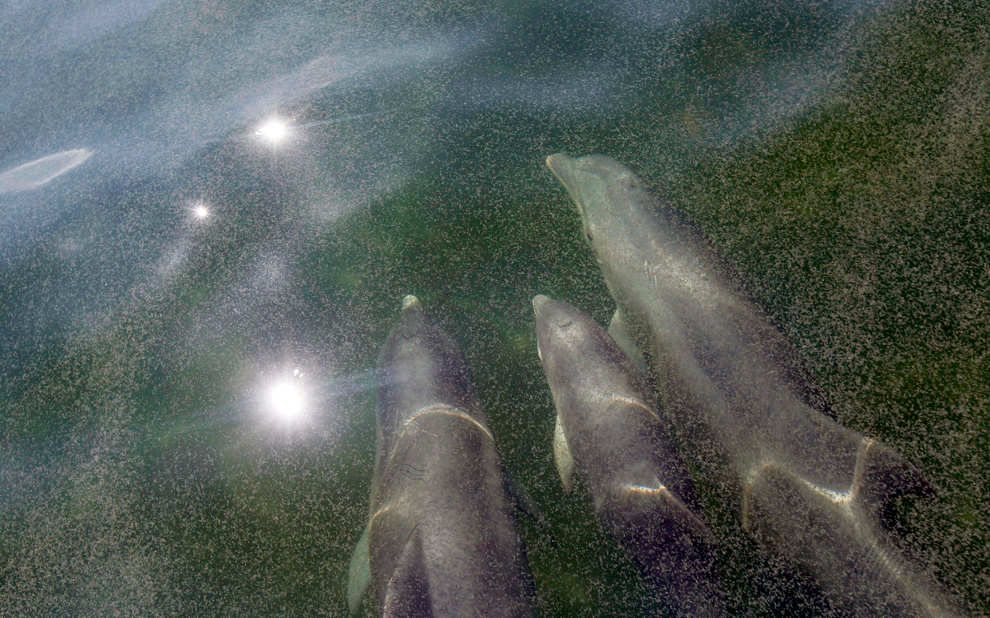

A pod of Bottlenose dolphins swim under the oily water Chandeleur Sound, Louisiana, Thursday, May 6, 2010 in the Gulf of Mexico. (AP Photo/Alex Brandon)
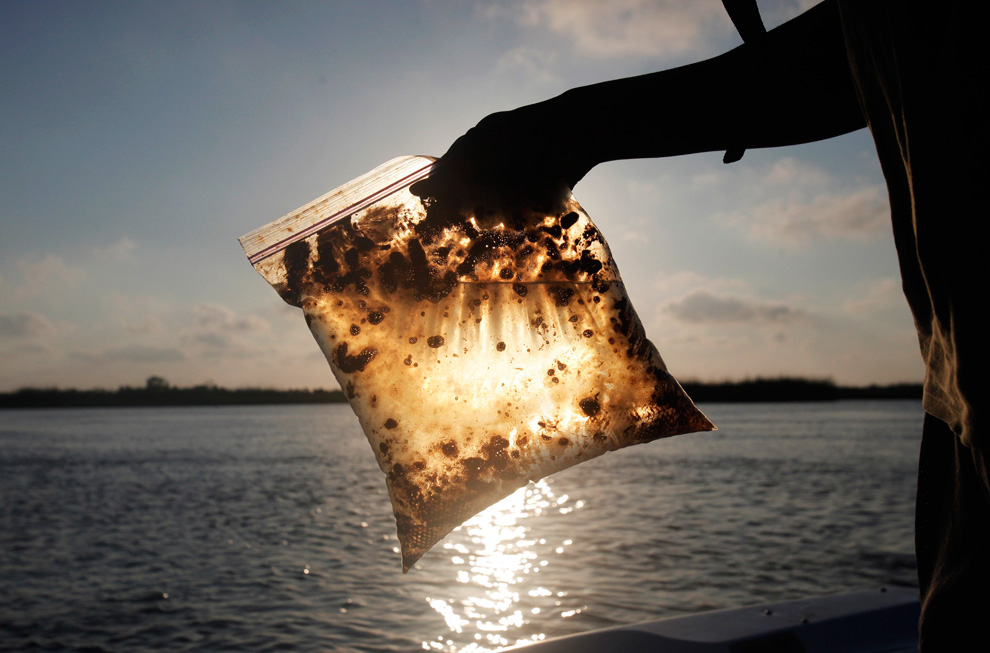

A man holds a plastic bag with seawater and oil from the Gulf of Mexico oil spill south of Freemason Island, Louisiana May 7, 2010. (REUTERS/Carlos Barria)
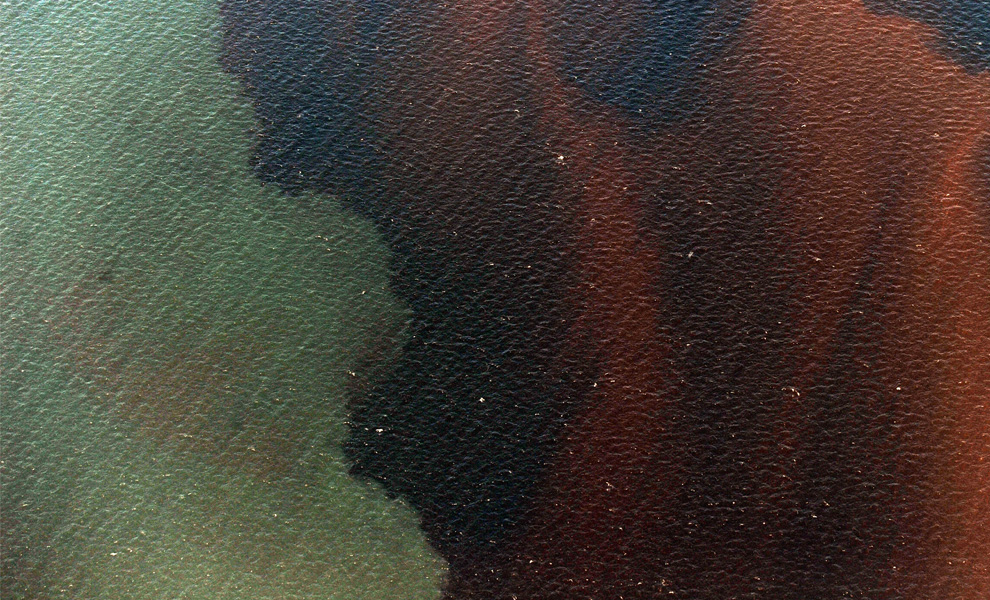


Mississippi River water (left) meets sea water and an oil slick that has passed inside of the protective barrier formed by the Chandeleur Islands, off the coast of Louisiana, on May 7, 2010. (MARK RALSTON/AFP/Getty Images)
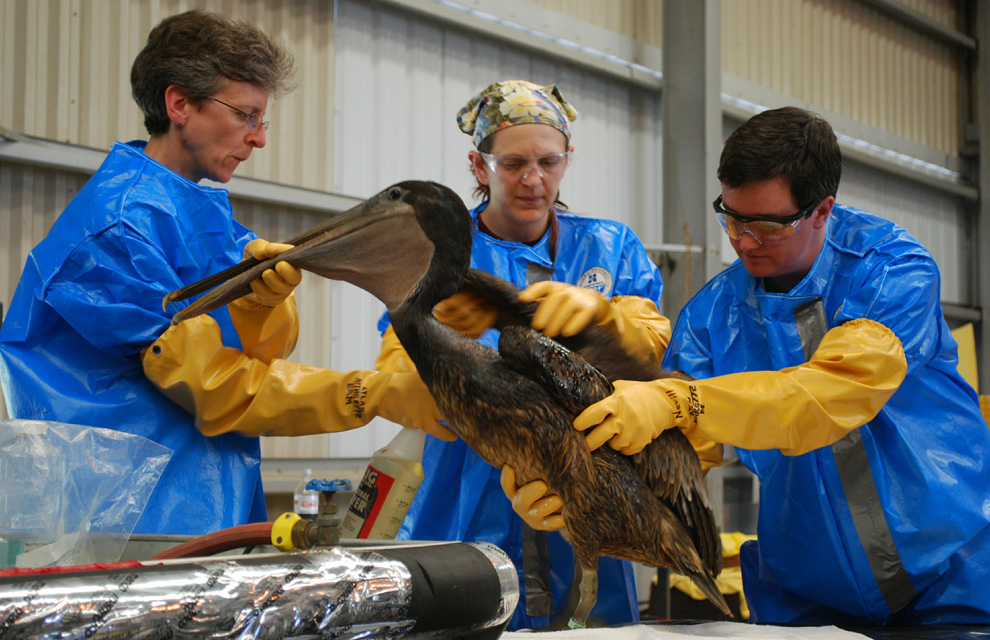


Heather Neville of Tristate Bird Rescue and Research rinses off an oiled brown pelican which was captured on a barrier island off the fragile Louisiana coast on Tuesday, May 4, 2010 at a triage center in Fort Jackson, Louisiana. (MIRA OBERMAN/AFP/Getty Images)
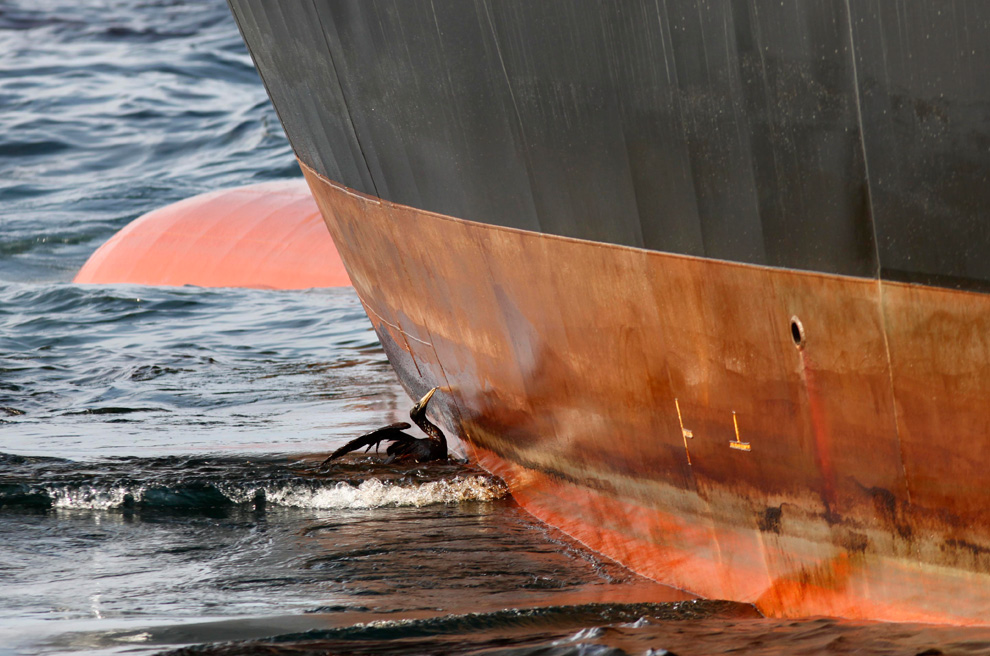

An oil soaked bird struggles against the oil slicked side of the HOS Iron Horse supply vessel at the site of the Deepwater Horizon oil spill in the Gulf of Mexico off the coast of Louisiana Sunday, May 9, 2010. (AP Photo/Gerald Herbert)
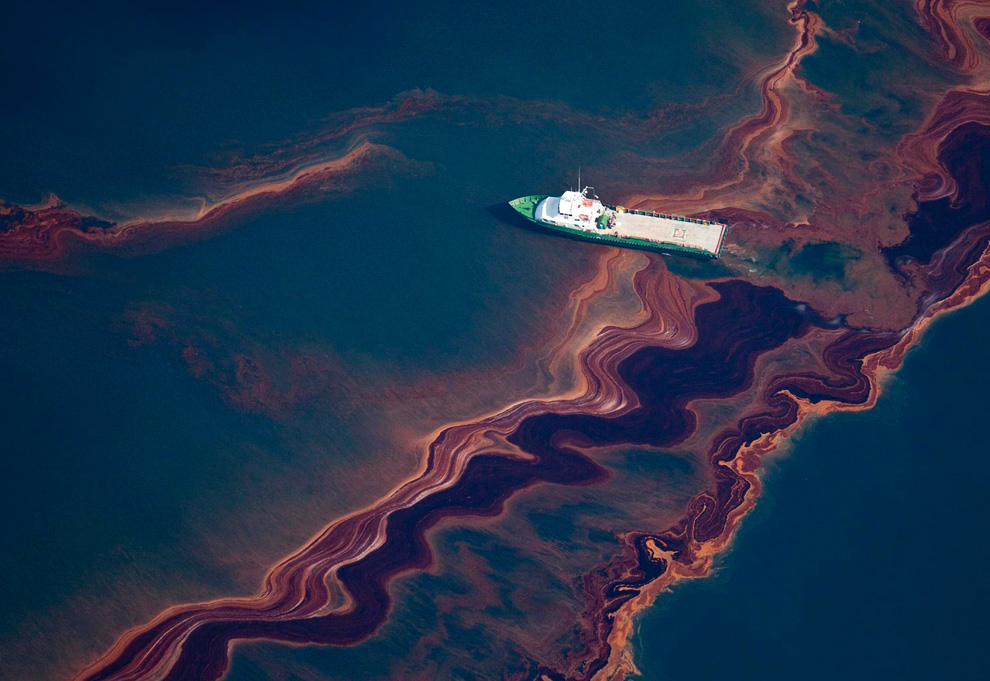

An aerial view of the oil leaked from the Deepwater Horizon wellhead, May 6, 2010. (REUTERS/Daniel Beltra)


Oil, scooped up with a bucket from the Gulf of Mexico off the side of the supply vessel Joe Griffin, coats the hands of an AP reporter at the site of the Deepwater Horizon oil spill in the Gulf of Mexico, May 10, 2010. (AP Photo/Gerald Herbert)

More pictures here.

Tuesday, April 6, 2010

Just some Pictures

I did these a couple of years ago..... they fit with this blog so I thought I'd post them. As always, click for full view.


Stupid Game

Click for larger view

Sunday, April 4, 2010

Fossil Fuel Dependancy

Many people have tried to get across the scale of our dependency on fossil fuels. It's not an easy task, and this info-graphic doesn't come close (for one thing, it completely leaves out plastics) but it does show just how much energy we burn through for transport and electricity.... and the damage that usage is doing to our atmosphere.

Click for full view.

Climate news roundup


First up: planet hacking. A fringe idea, but one that's starting to be taken more seriously. I guess that just shows how desperate we are for a quick fix. This page shows some hacking ideas with a rundown of the pros and cons of each.

In a related note, this New Scientist article profiles some geo-engineering possibilities and talks about who will take responsibility and what the legal and ethical implications could be.

What does it take to make people save power? Apparently the answer is peer pressure. This article explores how mind games could be used to help save the planet.

If the ice shelves in Antarctica are melting so fast, how come Greenland is still iced over? It is warmer there after all. Well, apparently it's icy because it's warmer. New Scientist investigates.


In the current events section, an oil spill threatens the Great Barrier Reef. Environmentalists blame cost cutting measures.

Finally for today, the battle over climate change has reached US classrooms. Bad news if we want this issue to be taken seriously.

Saturday, April 3, 2010

TED slavery speech

For your viewing pleasure: Kevin Bales' TED speech on slavery. You can expect to hear more in this topic when I've done my research.

Wednesday, March 31, 2010

How to give money for Free

It's a known phenominon and something I've observed myself whist collecting for charities: The people who are most willing to give money for a cause are the people who have the least to spare. Knowing that, I thought it would be a good idea to give some publicity to the sites that allow you to donate for free.

How it works

Most of these sites are click to donate sites.
When you visit the site, you are shown a link or button (click here to [whatever your cause wants to do]). When you click this link, you are taken to a page with a thank you message and some sponsor advertising. The sponsors will pay for your donation in return for you looking at their adverts (you don't have to click them, the fact that you're on that page is enough). You can click once per day for each cause and your donation will be counted without you having to pay a cent of your own money. Pretty cool huh?

The sites:


Direct click sites:

You click on the link, snd they donate the money.

- Click to give: Help with breast cancer, hunger, literacy, rescued animals, child health and rainforest conservation.

- Care2: help with rainforest conservation, children, big cats, breast cancer, healthy smiles, pets seals, oceans, primates, global warming, stop violence and wolves. Also provides a daily action article or pettition to raise awareness of other issues.

- The Stop HIV Site: informative site dedicated to stopping the spread of HIV. Includes a click to give link.


Links pages:
links to hundreds more sites like these.

- thenonprofits.com
- freewebs.com
- charityclickdonation.com: This site has links but also hosts bulk click software that allows you to effectively click on several sites at once. Whilst this technology my seem convenient, it bypasses the advertising pages, so if too many people use it then it will become more difficult for charities to find sponsors for these pages. Please use it responsibly.


Slightly different:

freerice.com donates 10 grains of rice for each correct answer to a simple question. It requires a little more thought than the other sites, but it's still free and there is no limit to how much you can give in one day. It's not difficult - give it a go!